Celtic Knot Collection
Unveiling the Beauty of Celtic Vases: A Journey Through Ancient Artistry and Modern Decor
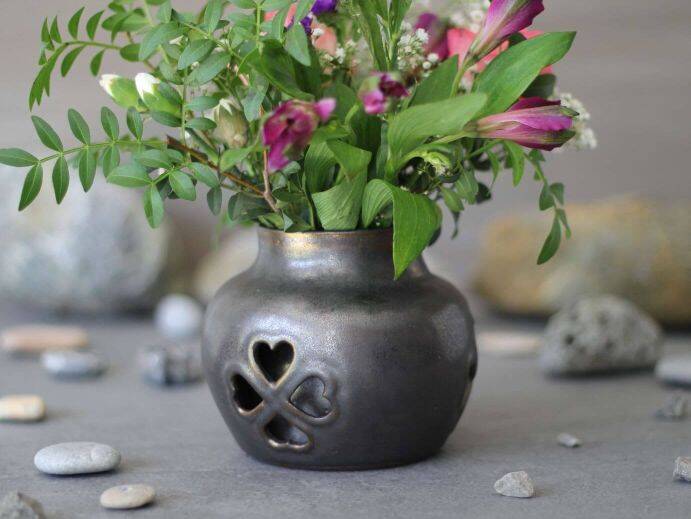
Transport yourself to ancient Celtic realms with these meticulously handcrafted Celtic vases. Each piece in this collection represents the perfect marriage of ancient Celtic artistry and contemporary ceramic design, creating functional art that honors Ireland's rich cultural heritage while serving the practical needs of modern homes.
View Collection
Browse the available pieces in my Celtic Knot Collection and discover which speaks to you.
Celtic Vase Collection
All pieces can vary in size, form, and specific design elements:
Bud Vases: These smaller Celtic vases are perfect for single stems, small wildflower clusters, or delicate branches. Their compact size makes them versatile for placement on desks, bedside tables, windowsills, or grouped in collections. Despite their smaller scale, these Celtic bud vases feature the same intricate double-walled construction and detailed knotwork as larger pieces.
Medium Celtic Vases: These mid-sized pieces offer more substantial presence while remaining manageable for most spaces. They accommodate slightly larger arrangements and work beautifully as centerpieces or accent pieces on mantels, shelves, or side tables.
Statement Celtic Vases: Larger pieces in the collection serve as sculptural focal points. These substantial Celtic vases command attention and work well with dramatic floral displays or as standalone art objects.
Each Celtic vase is thrown individually on my traditional potter's wheel, ensuring that organic, handmade quality that makes pottery feel alive and personal.
Celtic Vase Design: The Innovation of Double-Walled Construction
My Celtic vases feature an innovative double-walled construction that sets them apart from traditional single-walled pottery. This technique, combined with hand-carved Celtic knotwork, creates pieces that are structurally unique and visually captivating.
Understanding Double-Walled Celtic Vases
The double-walled Celtic vase consists of two ceramic walls, an inner functional vessel and an outer decorative wall. The space between these walls creates depth and dimension impossible to achieve in single-walled pieces. Here's why this construction makes these Celtic vases extraordinary:
Structural Complexity: Creating a double-walled Celtic vase requires throwing two separate vessels on the potter's wheel and then carefully joining them while the clay is still workable. The inner wall must be perfectly proportioned to fit inside the outer wall, with consistent spacing between them. This technical challenge demands precision and experience.
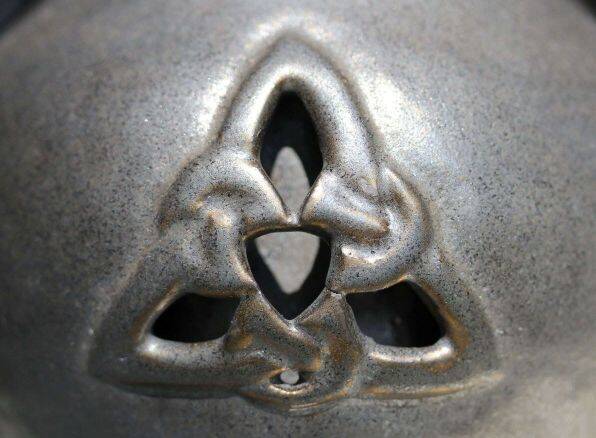
The Inner Chamber Mystery: The space between the walls becomes what I call the "mysterious inner chamber", a hidden dimension within the Celtic vase. When Celtic knot patterns are carved through the outer wall, they create windows into this inner space, revealing glimpses of the interior vessel and creating an intriguing sense of depth.
Light Interaction: One of the most magical features of double-walled Celtic vases is how they interact with light. When sunlight or ambient light penetrates through the carved Celtic knot cutouts, it illuminates the space between the walls, creating subtle glowing effects. The light catches the metallic glaze differently on inner and outer surfaces, producing ever changing visual effects throughout the day.
Enhanced Aesthetics: The double-wall construction allows the Celtic knot designs to be fully three-dimensional. Rather than appearing as surface decoration, the knotwork has actual depth. You can see through the carved patterns, creating dramatic shadows and highlighting the interlaced nature of Celtic design.
The Art of Creating Celtic Vases: Process and Craftsmanship
Creating each Celtic vase in this collection is a multi-stage process that requires technical skill, artistic vision, and patient dedication:
Stage 1: Throwing the Double Walls
A double-wall vessel is an impressive ceramic technique where the potter creates two separate, concentric walls from a single piece of clay on the wheel. The inner and outer walls are carefully pulled up independently and then joined together at the rim, creating a hollow space between them. This sophisticated method demands considerable skill and experience, as the potter must maintain even wall thickness, consistent moisture levels, and precise control throughout the throwing process.
Stage 2: Carving Celtic Knots
Once the double-walled structure is leather hard, the artistic work begins. Using various ceramic tools, I carefully hand-carve Celtic knot patterns through the outer wall. This stage requires intense focus and cannot be rushed.
Each line of the Celtic knot must be carved with consistent depth and width. The knotwork must appear to weave over and under itself, creating the characteristic interlaced effect. I carve negative spaces completely through the outer wall, creating the "windows" that reveal the inner chamber.
The carving process can take time, depending on the complexity of the design. Every Celtic vase is unique - while I may work with similar knotwork patterns, the hand-carved nature means each piece has its own character and subtle variations.
The carving must be deep enough to create clear, defined patterns with good depth, but controlled enough to maintain the structural integrity of the outer wall. It's a delicate balance that comes from experience and careful attention.
Celtic Vase Styling: Displaying Your Celtic Knot Vase
Celtic vases are incredibly versatile and work beautifully in various settings and styling approaches:
Floral Displays in Celtic Vases
Wildflower Arrangements: Celtic vases are perfect for wildflowers. Their artistic, organic nature complements the free-spirited beauty of wild blooms. Gather Irish wildflowers like bluebells, primroses, or wild roses for authentic Celtic ambiance.
Single Stem Statements: The bud vase sizes work beautifully with single dramatic stems. A single rose, lily, or even an interesting branch creates minimalist elegance that allows both flower and Celtic vase to shine.
Seasonal Branches: Bare branches in winter, flowering branches in spring, or autumn leaves create striking displays in Celtic vases. The metallic glaze complements natural materials beautifully.
Herb Displays: Fresh herbs like lavender, rosemary, or sage look beautiful in Celtic vases and add fragrance to your space.
Dried Arrangements: Celtic vases work wonderfully with dried flowers, grasses, or seed heads. Dried arrangements last indefinitely and the Celtic vase becomes the permanent art piece.
Celtic Vase Care: Preserving Your Handcrafted Treasure
Proper care ensures your Celtic vase remains beautiful for generations:
Daily Care for Celtic Vases
Cleaning: Hand wash your Celtic vase with mild soap and warm water. The intricate carved Celtic knots require gentle cleaning - use a soft brush to reach into the knotwork patterns if needed. Pat dry with a soft cloth.
Water Changes: When using your Celtic vase for fresh flowers, change the water every few days. The double-walled construction means the inner vessel holds water while the outer decorative wall stays dry, but regular water changes keep arrangements fresh and prevent bacterial growth.
Handling: While the high-fired ceramic is durable, handle your Celtic vase with care. The carved openings create delicate edges that could chip if knocked against hard surfaces.
Long-term Celtic Vase Care
Display Location: Celtic vases can be displayed anywhere in your home, but avoid placing them where they might be knocked over. The metallic glaze is permanent and won't fade, but the carved areas are more vulnerable to impact than solid surfaces.
Sunlight Interaction: One of the joys of Celtic vases is how they interact with natural light. Consider placing them where sunlight can penetrate the carved patterns, creating beautiful effects. The metallic glaze won't fade or discolor in sunlight.